
Healing stones properties: what they are and how they work
Healing stones are natural minerals and crystals believed to carry specific energetic and metaphysical properties that support emotional balance, spiritual growth, and personal well-being. Understanding what are healing stones properties means looking at both their physical composition and the traditions that have shaped their use across cultures for centuries. Stones like amethyst, black tourmaline, and clear quartz each carry distinct mineral traits that practitioners link to particular effects on mood, energy, and intention. This guide covers the science, the tradition, and the practical side of working with healing stones.
What are healing stones properties, physically and metaphysically?
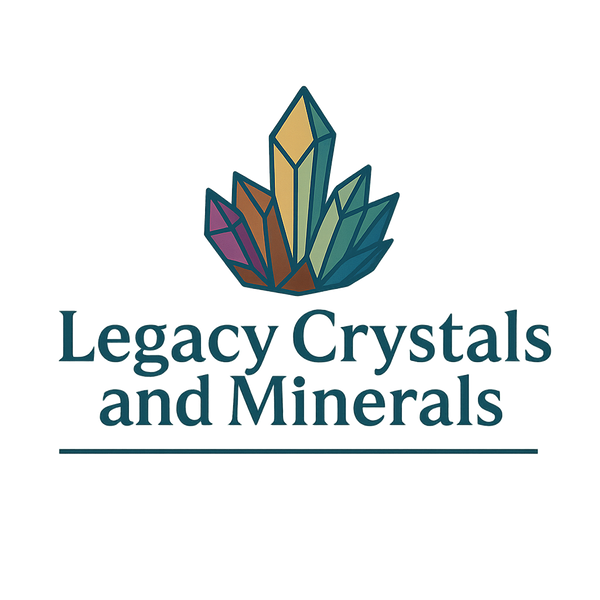
Healing stones carry two categories of properties: physical and metaphysical. Physical properties include mineral composition, crystal structure, Mohs hardness, and colour. Metaphysical properties are the energetic and emotional qualities that traditions and practitioners attribute to each stone based on those physical traits.
The connection between the two is not arbitrary. Amethyst’s purple colour comes from iron impurities within silicon dioxide. Black tourmaline is a complex borosilicate mineral. Clear quartz is pure silicon dioxide with a piezoelectric effect, meaning it generates an electrical charge under pressure. These mineralogical facts underpin the energetic qualities practitioners assign to each stone.
Colour, crystal system, and trace elements all shape the vibrational qualities attributed to a stone. A stone’s hardness on the Mohs scale also signals its durability and stability, qualities that translate metaphysically into grounding or protective associations.
The table below compares selected stones across both categories.
| Stone | Mohs hardness | Composition | Attributed properties |
|---|---|---|---|
| Amethyst | 7 | Silicon dioxide with iron | Calming, stress relief, intuition |
| Black tourmaline | 7–7.5 | Complex borosilicate | Grounding, protection, energy clearing |
| Clear quartz | 7 | Silicon dioxide (piezoelectric) | Energy amplification, clarity, intention |
| Rose quartz | 7 | Silicon dioxide with manganese | Emotional healing, love, compassion |
| Selenite | 2 | Hydrated calcium sulphate | Cleansing, mental clarity, calm |
Pro Tip: Pay attention to colour and geometry when selecting a stone. These physical features are the clearest signal of a stone’s energetic character.
How do healing stones work from an energy and scientific view?
The energy healing view and the scientific view are not as far apart as they first appear. Both acknowledge that healing stones produce real effects in people who use them intentionally.
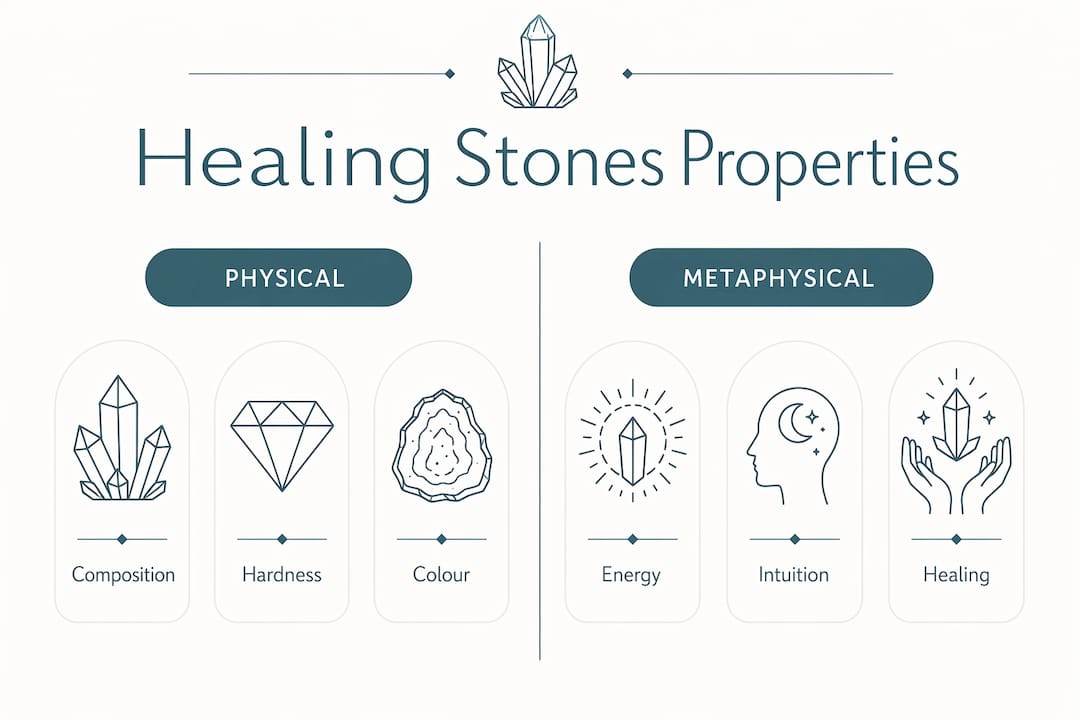
From an energy healing perspective, crystals act as stable reference points that allow a person’s fluctuating energy field to entrain to a more coherent state. The stone does not introduce a foreign frequency. It helps the body’s own field return to its natural balance. This is why practitioners describe holding a piece of black tourmaline as grounding rather than stimulating.
From a scientific standpoint, benefits largely arise from psychological factors such as the placebo effect and the power of ritual. That does not make the benefits less real. Crystals trigger genuine neurobiological responses through intention and sensory cues, engaging pathways associated with emotional regulation. The physical weight, texture, and colour of a stone all contribute to that response.
Crystals serve as physical anchors for mindfulness rituals. When you hold a stone with a clear intention, you activate the same neurobiological pathways that meditation and breathwork engage. The stone makes the practice tangible and repeatable.
Practitioners and researchers agree on one point: healing stones work best when paired with proven wellness strategies. These include:
- Consistent sleep hygiene
- Mindfulness or meditation practice
- Therapy or counselling when needed
- Regular physical activity
Stones are supportive tools. They are not substitutes for medical care.
Pro Tip: If you are new to working with crystals, start with one stone and one clear intention. Consistency matters more than variety.
Common types of healing stones and their properties
Practitioners categorise healing stones by their physical and metaphysical properties. Each stone carries a distinct profile that guides how and when to use it.
Amethyst is purple quartz with a Mohs hardness of 7. It is used for stress relief, calming the mind, and supporting intuition. Meditators often place amethyst at the crown of the head or on a bedside table to encourage restful sleep.
Rose quartz is associated with unconditional love and emotional healing. Its soft pink colour comes from trace amounts of manganese or titanium within the quartz structure. People working through grief or relationship challenges often carry rose quartz or wear it as a bracelet.
Clear quartz is called the “master healer” because it amplifies the energy of other stones and supports clarity of thought. Its piezoelectric properties are used in watches, microphones, and medical ultrasound equipment, which gives it a grounded scientific credibility alongside its metaphysical reputation.
Black tourmaline is the go-to stone for protection and grounding. Its complex borosilicate composition gives it a dense, stable energy that practitioners use to clear negative influences from a space or person.
Citrine carries a warm yellow colour and is linked to confidence, creativity, and abundance. It is one of the few stones that practitioners believe does not absorb negative energy, making it low maintenance.
Selenite is prized for mental clarity and cleansing other stones. Its softness (Mohs 2) makes it fragile, and its high solubility means it should never be placed in water.
The table below summarises each stone’s primary benefits and associated chakra.
| Stone | Primary benefits | Associated chakra |
|---|---|---|
| Amethyst | Calm, intuition, stress relief | Crown, third eye |
| Rose quartz | Emotional healing, compassion | Heart |
| Clear quartz | Amplification, clarity, intention | All chakras |
| Black tourmaline | Grounding, protection | Root |
| Citrine | Confidence, creativity, abundance | Solar plexus |
| Selenite | Cleansing, mental clarity | Crown |
For readers interested in matching stones to specific energy centres, the guide on crystals for chakra alignment offers a detailed breakdown by chakra and intention.
Common uses for these stones include:
- Holding during meditation to anchor focus
- Wearing as bracelets for continuous energetic contact
- Placing in a room to influence the energy of a space
- Carrying in a pocket or bag as a daily reminder of an intention
How to select, care for, and use healing stones
Choosing a healing stone starts with identifying your current emotional or energetic need. Stress and anxiety point toward amethyst or selenite. Grounding and protection call for black tourmaline or red jasper. Emotional healing and self-compassion align with rose quartz.
Beyond intention, assess the stone’s physical quality. Look for consistent colour, minimal surface damage, and a weight that feels right in your hand. Colour, form, and feel are reliable guides when selecting a stone in person or reviewing detailed product images online.
Caring for your stones correctly preserves both their physical condition and their energetic clarity. Follow these steps:
- Cleanse new stones first. Place them in sunlight or moonlight for several hours, or use sound (a singing bowl or bell) to clear residual energy.
- Check water compatibility before cleansing. Selenite dissolves in water and must never be submerged. Amethyst can fade in prolonged direct sunlight. Know your stone’s limits.
- Set a clear intention. Hold the stone, breathe slowly, and state your intention aloud or silently. This step activates the stone as a mindfulness anchor.
- Integrate the stone into a daily routine. Wear it as a bracelet, place it on your desk, or hold it during a five-minute morning meditation.
- Re-cleanse regularly. Monthly cleansing is a common practice, especially for stones used in high-stress environments.
Pro Tip: Avoid placing multiple stones together without understanding their properties. Pairing an energising stone like citrine with a calming stone like amethyst can create conflicting signals for beginners. Start with one stone per intention.
Key takeaways
Healing stones carry distinct physical and metaphysical properties that, when used with clear intention and paired with sound wellness practices, provide genuine support for emotional regulation and spiritual focus.
| Point | Details |
|---|---|
| Physical properties matter | Composition, hardness, and colour directly shape a stone’s energetic character. |
| Energy entrainment, not foreign frequency | Crystals help stabilise your energy field rather than introducing new energy. |
| Psychological effects are real | Stones trigger neurobiological responses through ritual, intention, and sensory cues. |
| Stone selection guides practice | Match stones to your emotional need: amethyst for calm, tourmaline for grounding, quartz for clarity. |
| Care varies by mineral | Selenite dissolves in water; always check a stone’s physical limits before cleansing. |
What I have learned from working with healing stones
People often ask me whether healing stones “actually work.” My honest answer is: it depends entirely on what you expect them to do.
If you approach a stone as a cure, you will be disappointed. If you approach it as a physical anchor for a practice you are already committed to, you will find it genuinely useful. The stone does not do the work. Your intention and consistency do. The stone makes both easier to maintain.
What surprises most people is how much the physical quality of a stone matters. A well-formed, high-clarity specimen holds attention differently than a dull or damaged one. That is not mysticism. That is basic sensory psychology. A beautiful object commands focus. Focus is where the real benefit lives.
I also think the cultural history of these stones deserves more respect than it typically gets in wellness circles. Amethyst has been used for calm and clarity since ancient Greece. Black tourmaline has grounding associations across multiple independent traditions. That convergence across cultures and centuries is not coincidence. It reflects consistent human experience with these materials.
The most balanced approach treats stones as supportive tools within a broader wellness practice. Pair them with sleep, movement, and honest self-reflection. Use them to make your intentions visible and tangible. That is where they earn their place.
— Simon
Quality healing stones from Legacy Crystals and Minerals
Legacy Crystals and Minerals curates authentic, high-quality healing stones and crystal bracelets for people who take their practice seriously.
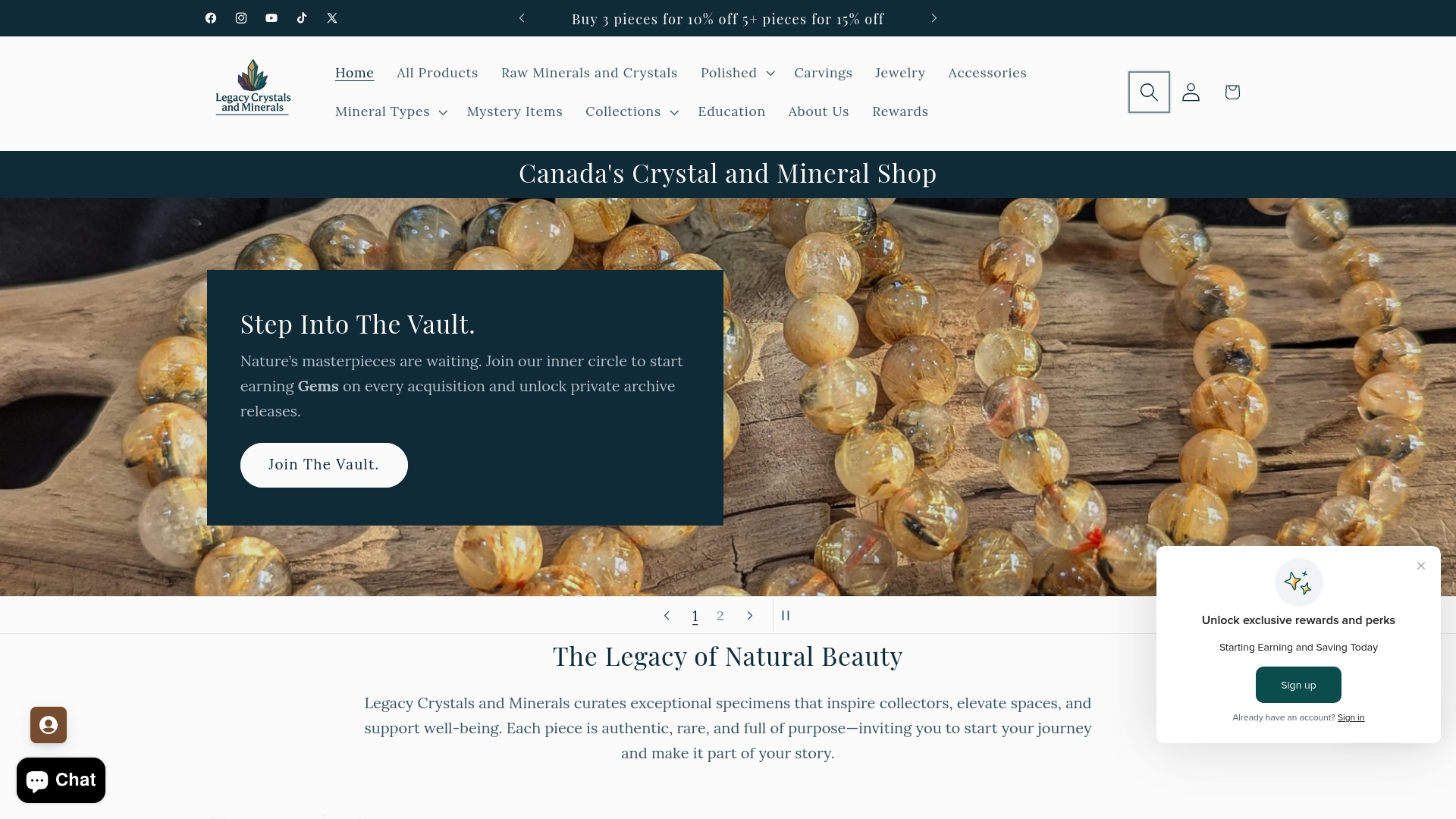
The Coral Jade Bracelet features 8mm polished beads suited for daily wear and intention-setting. The Milk Jade Bracelet offers a clean, calming energy that pairs well with mindfulness routines. Both are crafted from natural stone with attention to quality and provenance. Legacy Crystals and Minerals also carries raw specimens, carvings, and collector-grade minerals for those who want to build a more complete practice. Every piece is selected for authenticity, physical quality, and energetic integrity.
FAQ
What are the main properties of healing stones?
Healing stones carry physical properties (mineral composition, hardness, colour, crystal structure) and metaphysical properties (energetic and emotional qualities) attributed through tradition and practice. These two categories are linked: a stone’s mineralogy directly informs the energetic character practitioners assign to it.
How do healing stones work on the body and mind?
Crystals act as stable anchors that help a person’s energy field return to a coherent state, while also triggering real neurobiological responses through intention and sensory engagement. The psychological and energetic effects work together rather than separately.
Which healing stone is best for beginners?
Clear quartz is the most versatile starting point because it amplifies intention and pairs well with any practice or goal. Amethyst is a close second for anyone dealing with stress or disrupted sleep.
Can healing stones replace medical treatment?
Healing stones are supportive tools, not medical treatments. They work best alongside established health practices such as therapy, sleep hygiene, and regular physical activity, not as substitutes for them.
How often should healing stones be cleansed?
Monthly cleansing is standard practice for most stones. Always check water compatibility first: selenite dissolves in water and requires dry cleansing methods such as sound or moonlight instead.
Recommended
- What Are Elestial Crystals: Properties and Healing Uses – Legacy Crystals and Minerals
- The Healing Power of Fluorite: Color, Clarity, and Energy – Legacy Crystals and Minerals
- How crystal bracelets work energetically: a clear guide – Legacy Crystals and Minerals
- Crystals for chakra alignment: your 2026 guide – Legacy Crystals and Minerals


