

Crystals for meditation practices: a practical guide
Crystal meditation is defined as the use of a natural stone as a tactile or visual anchor during a seated or movement-based mindfulness session. The crystals themselves have no proven medical effects. Their value comes from the ritual, the sensory engagement, and the consistent neurological cue they create. Mindfulness training paired with intention-setting objects has been linked to a 22% reduction in loneliness and increased social engagement. That finding points to a real psychological benefit from using crystals for meditation practices, even without mystical explanations. Beginners do well starting with clear quartz, amethyst, or rose quartz, each of which offers distinct tactile and visual qualities.
1. Why crystals are used in meditation
The benefit of crystals in meditation comes from intention and ritual, not from any energetic property of the stone itself. When you pick up the same stone at the start of every session, your brain begins to associate that object with the act of settling down. That association is a neurological cue, and it works the same way a specific chair or a particular scent does. The stone becomes a signal. Over time, that signal shortens the time it takes to reach a calm, focused state.
This is why the role of crystals in mindfulness practice is best understood through behavioural science rather than metaphysics. The stone gives your attention somewhere to land. It interrupts the mental chatter that makes the first few minutes of meditation difficult for most people. The physical object, held in the hand or placed in view, acts as a bridge between ordinary thinking and meditative focus.
2. Top tactile crystals for grounding focus
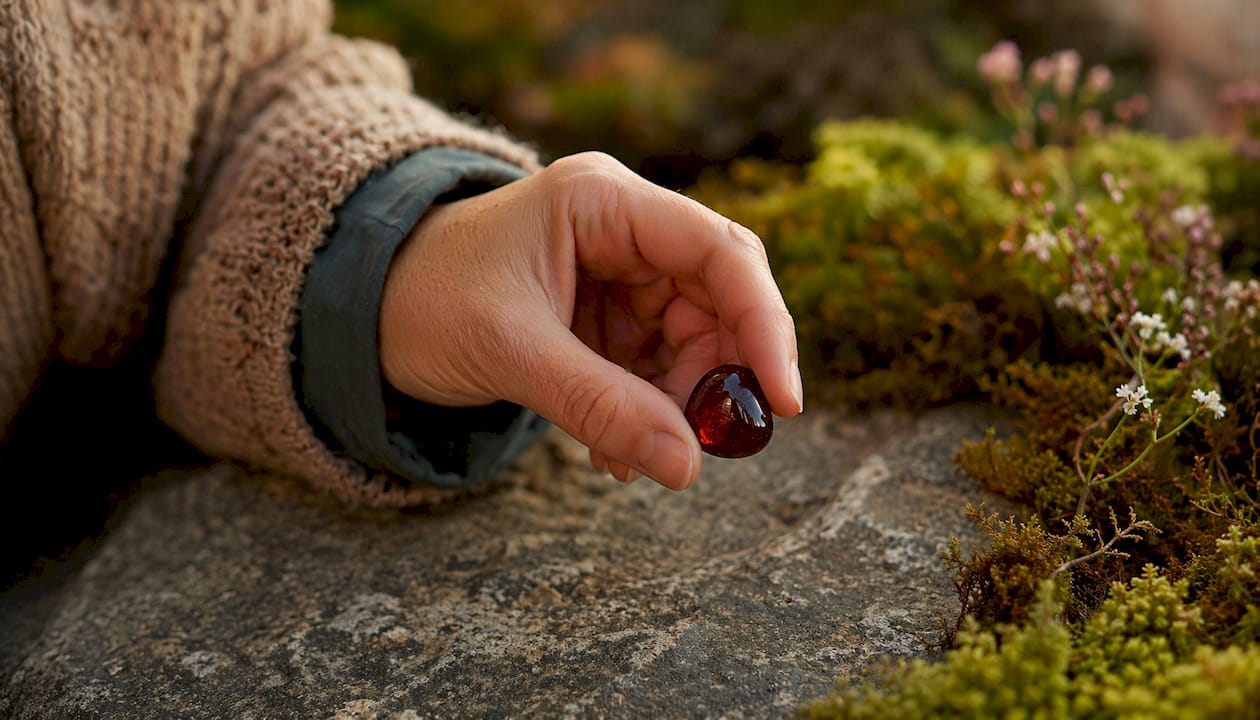
The physical properties of weight, texture, and temperature make certain stones far more effective as grounding anchors than others. A heavier stone delivers stronger somatic feedback to the nervous system. A smooth, cool surface keeps sensory input steady rather than distracting. The following stones are consistently recommended by meditation practitioners for their tactile qualities.
- Hematite. Dense, cool, and smooth. Its weight is immediately noticeable in the palm, which makes it one of the most effective grounding stones for body-scan meditations.
- Black tourmaline. Slightly textured with natural striations. The subtle surface variation gives the fingers something to track without becoming a distraction.
- Smoky quartz. Medium weight with a glassy surface. Its translucency adds a mild visual element when held up to light, making it useful for both tactile and visual sessions.
- Amethyst. Lighter than hematite but still substantial. Its violet colour is muted enough to avoid visual overstimulation when placed nearby.
Holding techniques matter as much as stone selection. Resting a stone in the non-dominant hand keeps the dominant hand relaxed. Cupping a stone in both hands works well for body-scan or breath-focused sessions. Placing a flat stone on the sternum or lower abdomen during lying-down meditation adds a grounding physical weight without requiring grip.
Pro Tip: Choose a stone that fits fully within your closed palm. If it shifts or requires active gripping, it will pull attention rather than anchor it.
For guidance on raw versus polished forms and which works better for tactile use, the form factor makes a real difference in comfort during longer sessions.
3. Top crystals for open-eyed and gaze meditation
Crystals with internal features such as phantoms and inclusions engage the eyes in gaze meditation by providing complex, absorbing, and non-distracting visual stimuli. This is the key distinction between a useful visual anchor and a merely decorative object. The goal is a stone that draws the gaze inward without demanding active interpretation.
- Clear quartz with phantoms. Internal phantom formations create layered depth. The eye can follow the structure without the mind needing to analyse it.
- Lodolite (garden quartz). Contains inclusions of chlorite, feldspar, and other minerals that resemble landscapes. The visual complexity is high but the colours are muted, which prevents overstimulation.
- Labradorite. Its labradorescence shifts with angle and light. Slow, subtle colour movement holds attention without triggering alertness.
- Selenite. Fibrous internal structure catches light in a diffuse, soft way. Its near-white colour is restful for extended gaze.
Muted, cool tones work better than saturated colours for open-eyed sessions. A bright red or vivid orange stone activates rather than calms the visual cortex. Positioning also matters. Place the stone at roughly arm’s length, slightly below eye level, so the gaze softens naturally rather than straining upward or downward.
Pro Tip: Use a small stand or folded cloth to position your stone at the right height. A stone sitting flat on a table forces a downward gaze that strains the neck over time.
The high-clarity inclusion quartz from Goboboseb Mountains, Namibia at Legacy Crystals and Minerals is a strong example of the visual complexity that makes gaze meditation effective.
4. How to create a self-care crystal ritual
A consistent crystal ritual works because consistent placement of a chosen stone establishes an implementation intention, signalling the brain to enter meditative focus faster. The ritual does not need to be elaborate. It needs to be repeatable.
- Choose one stone per session. Selecting a single crystal aligned with your specific need for that day prevents sensory overload and keeps the session simple.
- Hold the stone before you begin. Spend 30 seconds with the stone in your hands before closing your eyes or starting any breathwork. This physical contact begins the neurological shift.
- Set a clear intention. State silently what you want from the session. The stone becomes the physical object associated with that intention. You do not need to believe the stone “holds” the intention for this to work behaviourally.
- Place the stone consistently. Use the same spot every session, whether that is your left palm, a small altar, or your chest. Consistency is what builds the cue.
- End the session deliberately. Place the stone back in its dedicated spot. This closing action reinforces the ritual boundary between meditation time and the rest of your day.
Cleansing your stone periodically keeps the ritual feeling fresh. Rinsing water-safe stones under cool running water, or placing them in indirect sunlight for an hour, are both common methods. The act of cleansing is itself a mindfulness practice.
Pro Tip: Keep your meditation stone separate from decorative crystals. A dedicated stone that only appears during practice builds a stronger neurological association than one that sits on a shelf all day.
For ideas on creating a dedicated meditation space with crystals, placement and environment reinforce the ritual as much as the stone itself.
5. Beginner session length and pacing
Beginners are advised to start with 5–10 minutes, focusing on one stone to avoid sensory overload. That recommendation is grounded in attention research, not tradition. Short sessions with a single anchor object build the habit faster than long, complex sessions that feel effortful.
Pacing matters beyond session length. Start with breath awareness for the first two minutes, then shift attention to the stone. Alternate between breath and stone as the anchor. This two-point focus prevents the mind from drifting while keeping the practice simple enough to sustain daily.
6. Common mistakes in crystal meditation
Using multiple crystals in one session causes sensory overload and reduces the effectiveness of each stone as an anchor. This is the most common mistake among people new to meditative gemstones. More is not better. Each additional stone adds a sensory variable that the mind must process.
- Overloading the session. One stone per session is the standard recommendation. Adding three or four stones splits attention rather than focusing it.
- Expecting immediate results. The neurological cue builds over repeated sessions. A single use of a crystal does not establish the association. Consistency over two to three weeks is what produces noticeable change.
- Choosing stones for appearance alone. A visually striking stone that is uncomfortable to hold, or too light to register in the hand, will not function as an effective anchor.
- Skipping the intention step. Holding a crystal in the non-dominant hand without a clear intention reduces it to a prop. The intention is what activates the behavioural cue.
Pairing crystal use with a guided meditation or structured breathwork practice accelerates habit formation. The external structure of a guided session reduces the cognitive load of self-directing, which leaves more attention available for the stone anchor.
Pro Tip: Travel with a small, smooth tumbled stone in a cloth pouch. Consistency of practice matters more than location. The same stone used at home and while travelling maintains the neurological association regardless of environment.
For practical guidance on integrating crystals into structured practices, the principles of placement and intention apply across multiple mindfulness modalities.
7. How to create a mindfulness space with crystals
A dedicated physical space reinforces the meditation habit as much as the stone itself does. The space does not need to be large. A corner of a room, a windowsill, or a small tray on a desk all work. The key is that the space is used only for meditation and is visually consistent from session to session.
Place your primary meditation stone at the centre of the space. Add a candle or a small plant if the visual environment feels sparse, but keep the arrangement simple. Visual clutter in the space competes with the stone as a focal point. A crystal altar does not need to be ceremonial. It functions as a physical reminder that this spot is for stillness.
Lighting affects the quality of gaze meditation significantly. Soft, indirect natural light works best for stones like labradorite and selenite. Direct sunlight creates harsh reflections that interrupt rather than support focus. A north-facing window or a shaded lamp provides the most consistent conditions.
Key takeaways
Crystals support meditation by acting as consistent tactile or visual anchors that signal the brain to shift into a focused, calm state through repeated ritual use.
| Point | Details |
|---|---|
| One stone per session | Using a single crystal prevents sensory overload and builds a stronger neurological cue. |
| Physical properties matter | Weight, texture, and temperature determine how effectively a stone grounds attention during practice. |
| Consistency builds the habit | Placing the same stone in the same spot each session creates an implementation intention that speeds focus. |
| Visual complexity aids gaze meditation | Stones with phantoms or inclusions engage the eyes without overstimulating the visual cortex. |
| Ritual, not mysticism, explains the benefit | The intention and repetition of crystal use create the neurological signal, not any energetic property of the stone. |
Quality meditation crystals from Legacy Crystals and Minerals
Legacy Crystals and Minerals carries a curated selection of polished stones and crystal bracelets suited to both tactile and visual meditation use. Each piece is selected for authenticity, clarity, and physical quality, which are the properties that matter most when a stone serves as a daily mindfulness anchor.
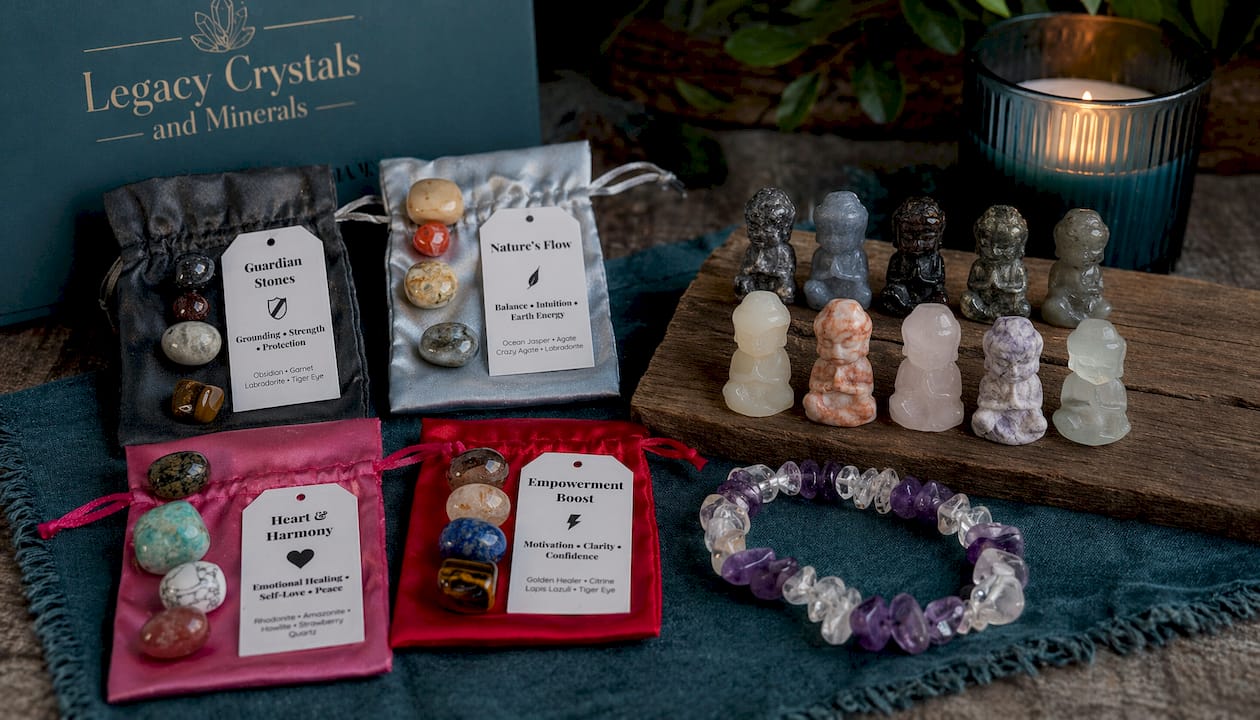
The White Sea Urchin Quartz Bracelet in AAA grade offers a smooth, consistent tactile surface well suited to held or worn meditation practice. For those drawn to visual complexity, the Clear Crackle Quartz Bracelet provides internal fracture patterns that work as a natural gaze anchor. Both pieces are available directly through Legacy Crystals and Minerals, with clear provenance and quality grading listed for each item.
FAQ
What are the best crystals for meditation?
Clear quartz, amethyst, hematite, and labradorite are consistently recommended as top crystals for meditation practitioners. Selection depends on whether you prefer tactile grounding or visual focus during your session.
Why are crystals used in meditation?
Crystals are used in meditation as physical anchors that create a consistent neurological cue, signalling the brain to shift into a focused, calm state. The benefit comes from the ritual and intention, not from any proven energetic property of the stone.
How do I use crystals during meditation?
Hold one stone in your non-dominant hand, place it on your body, or position it within your line of sight at the start of each session. Using it as a mindfulness cue rather than a treatment keeps expectations realistic and practice sustainable.
How long should a beginner meditate with a crystal?
Beginners are advised to start with 5–10 minutes per session, using one stone to maintain focus without sensory overload. Shorter, consistent sessions build the habit faster than infrequent longer ones.
Can I use multiple crystals at once?
Using multiple crystals in one session is not recommended for beginners, as it splits attention and reduces the effectiveness of each stone as an anchor. Start with one crystal and add others only once the single-stone practice feels settled.
Recommended
- How crystal altars work: a practical guide for 2026 – Legacy Crystals and Minerals
- Benefits of wearing crystal jewelry: a wellness guide – Legacy Crystals and Minerals
- What is crystal attunement: a guide for beginners – Legacy Crystals and Minerals
- How to incorporate crystals into Reiki practice – Legacy Crystals and Minerals


