
Crystals for anxiety: a practical guide for Canadians
TL;DR:
- Crystals like Amethyst, Lepidolite, Black Tourmaline, and Blue Lace Agate are practical tools for anxiety support when used as physical anchors during breathing exercises. Evidence shows they work through expectancy and conditioning, not specific mineral properties, so they enhance mindfulness and breathwork routines. Proper selection and care, combined with professional treatment if necessary, optimize their effectiveness as complementary anxiety management tools.
Amethyst, Lepidolite, Black Tourmaline, and Blue Lace Agate are the most practical starting points for anxiety support, according to practitioner and buyer guide consensus. These cover general calm, sleep, grounding, and panic support, while other stones may help with specific patterns. The simplest way to start: carry a tumbled stone in your pocket and use it as a physical anchor during a brief breathing exercise. Crystals are complementary tools, not medical treatment. They work best alongside evidence-based practices like therapy, breathwork, or medication.
Quick reference by use case:
- Sleep support: Lepidolite, Howlite, Moonstone
- Grounding and nervous-system calming: Black Tourmaline, Smoky Quartz, Hematite
- Emotional balance: Rose Quartz, Rhodonite, Moonstone
- Panic and communication support: Blue Lace Agate, Aquamarine, Sodalite
Pro Tip: Pair Amethyst with Lepidolite as a two-stone starter set. Amethyst targets general calming; Lepidolite adds lithium-bearing mineral content that practitioners associate with mood stabilisation. Carry both or wear them as a bracelet stack.
Table of Contents
- The most commonly used calming crystals, stone by stone
- Do crystals actually reduce anxiety?
- How to choose the right crystal for you
- How to clean, charge, and store your crystals safely
- Safety limits and when to seek professional help in Canada
- What the research and practitioner guidance actually shows
- Key takeaways
- Authentic crystals for anxiety, available in Canada
- Sources and suggested further reading
- FAQ
The most commonly used calming crystals, stone by stone
Practitioners and crystal guides consistently name the following stones for anxiety support. Each entry covers what it is best for, how to use it, and one care note.
Calming and sleep
1. Amethyst Best for general anxiety and sleep. Carry as a tumbled pocket stone, wear as a bracelet, or place on a bedside table. Widely available across Canada; tumbled pieces typically range from a few dollars to $20 CAD. Avoid prolonged direct sunlight, which can fade the purple colour over time.
2. Lepidolite Best for mood swings and sleep disruption. Lepidolite contains natural lithium mica, which is why practitioners associate it with emotional steadying. Use as a palm stone during meditation or tuck under a pillow. The stone is fragile, so avoid tumbling in water.
3. Howlite Best for racing thoughts at bedtime. Place on a nightstand or hold during a pre-sleep breathing practice. Affordable and widely available. Water-safe for brief rinsing; avoid prolonged soaking.
4. Moonstone Best for hormonal anxiety and emotional cycles. Wear as jewellery or carry as a pocket stone. Moderately priced. Avoid harsh chemicals; some varieties are sensitive to prolonged water exposure.
Grounding and protection
5. Black Tourmaline Best for grounding during high-stress periods. Practitioners describe it as a protective stone that helps interrupt anxious thought loops. Carry in a pocket or place near a workspace. Durable; safe for brief water rinsing or cleaning.
6. Smoky Quartz Best for stress and overwhelm. Hold in the non-dominant hand during breathwork. Available in raw or tumbled form at most crystal shops. Generally water-safe; avoid prolonged sun exposure to preserve colour.
7. Hematite Best for grounding and mental clarity. Wear as a bracelet or carry as a flat palm stone. Affordable. Keep dry; hematite can rust if left in water.
8. Obsidian Best for releasing tension and negative thought patterns. Use as a palm stone or place in a meditation space. Accessible in tumbled form. Handle with care; raw obsidian has sharp edges. Water-safe when polished.
Emotional balance and heart work
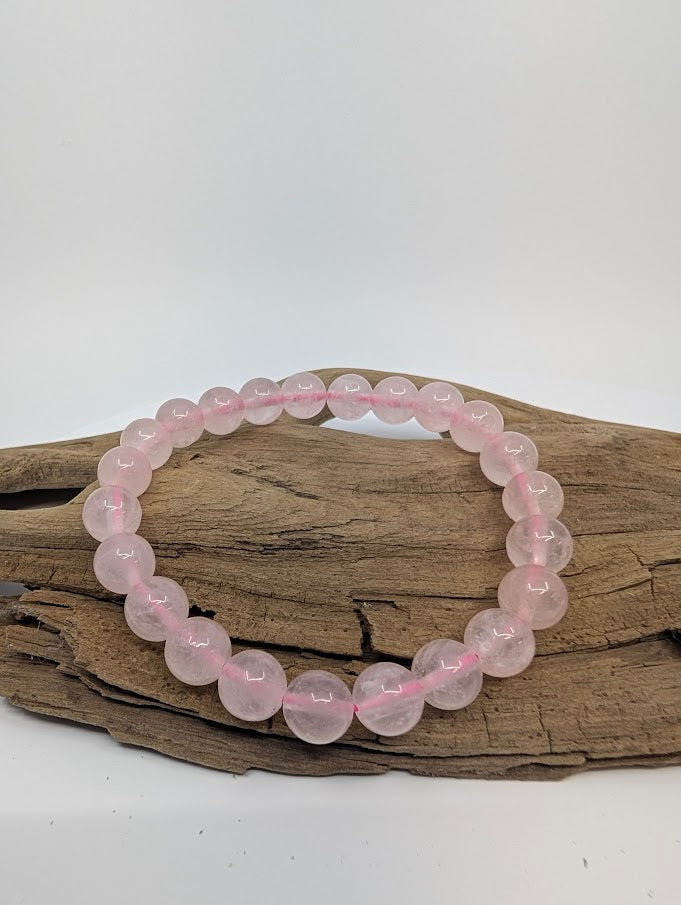
9. Rose Quartz Best for self-compassion and social anxiety. Wear as a bracelet or pendant, or place on a desk. One of the most accessible stones and generally affordable for a tumbled piece. Water-safe; gentle sunlight is fine for short periods.
10. Labradorite Best for anxiety tied to change or uncertainty. Carry as a pocket stone or wear as a pendant. Mid-range price. Avoid harsh cleaners; safe for brief water rinsing or cleaning.
11. Fluorite Best for mental clarity and decision-related anxiety. Place on a desk or hold during focused work. Available in purple, green, and rainbow varieties. Relatively soft (Mohs 4); avoid water soaking and rough handling.
12. Citrine Best for low mood paired with anxiety. Keep in a workspace or carry in a wallet. Affordable and widely available. Avoid prolonged direct sunlight, which can fade colour.
Communication and panic support
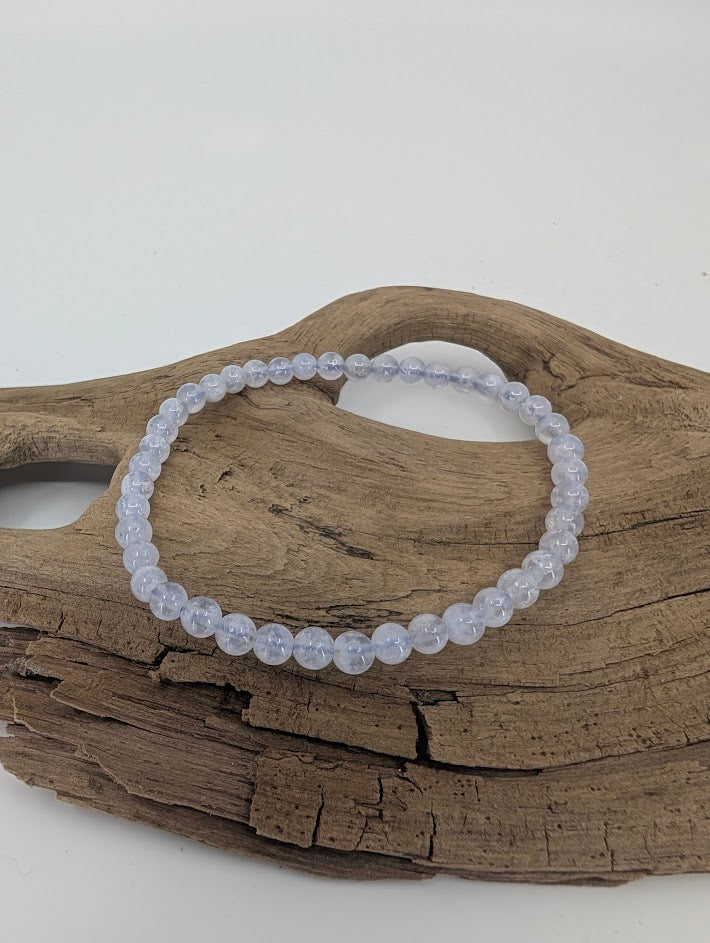
13. Blue Lace Agate Best for social anxiety and communication stress. Hold during difficult conversations or wear as a pendant. Gentle, banded blue colouring. Water-safe; durable for everyday carry.
14. Aquamarine Best for panic and overwhelm. Carry as a pocket stone or wear as jewellery. Mid-range price. Water-safe (appropriate given its oceanic associations); avoid prolonged sun.
15. Sodalite Best for overthinking and mental chatter. Carry as a pocket stone or place near a computer. Affordable. Water-safe for brief rinsing or cleaning.
Other commonly noted stones: Selenite (cleansing, sleep; avoid all water), Clear Quartz (amplifying other stones; water-safe), Lapis Lazuli (communication anxiety; avoid prolonged water), Jasper (grounding; water-safe in most varieties).
Pro Tip: For a two-stone starter set, pair Black Tourmaline (grounding) with Blue Lace Agate (communication calm). Keep one in each pocket during a stressful workday.
Do crystals actually reduce anxiety?
Current evidence does not show that specific crystal properties reliably reduce anxiety beyond placebo. That is the honest answer, and it matters for how you use them.
A randomised, controlled trial published in CNS Spectrums tested 138 adults, comparing rose quartz against a visually matched placebo stone. Anxiety reductions occurred primarily among participants who already believed in crystal efficacy. Bayesian analysis favoured the null hypothesis for any specific crystal effect. The improvements were real, but they were mediated by expectancy and conditioning, not by the mineral itself.
That finding does not make crystals useless. It clarifies how they work.
Healthline’s guide to healing crystals notes that complementary practices like mindfulness and structured breathing have genuine evidence of benefit for anxiety. When a crystal serves as a consistent cue to perform those practices, it can have indirect, real value. The stone becomes a conditioned trigger for a calming behaviour.
Practitioners at mindbodygreen describe crystals as intention anchors that amplify focus during breathwork and meditation, not as standalone cures. That framing aligns with the research: use the stone as a cue, not a cure.
How to choose the right crystal for you
Start with symptom pattern, intended use, and authenticity. Those three criteria narrow the field faster than colour preference alone.
Selecting crystals for emotional healing involves matching the stone’s traditional properties to your specific anxiety pattern, then choosing a form that fits your lifestyle.
Buyer checklist:
- Symptom match. Sleep anxiety points toward Lepidolite, Howlite, or Moonstone. Social anxiety and panic point toward Blue Lace Agate or Aquamarine. General stress and grounding point toward Black Tourmaline or Smoky Quartz.
- Form and size. A pocket stone needs to be small enough to carry comfortably. A palm stone should fit your hand. A bracelet should be comfortable for all-day wear. A bedside cluster can be larger.
- Budget. Most tumbled anxiety stones cost $5–$25 CAD. Bracelets range from $15–$60 CAD depending on bead size and stone quality. Rare or museum-grade specimens cost more; they are not necessary for anxiety support.
- Seller transparency. Look for named origin (mine or country of origin), clear product photos, and a stated return policy. Vague descriptions like “healing energy stone” with no mineralogical information are a warning sign.
- Tactile fit. Hold the stone before buying when possible. Practitioners consistently note that the stone you are drawn to physically is the one you will actually use.
Red flags when buying online or at markets:
- No provenance or country of origin listed
- Medical claims (“cures anxiety,” “eliminates panic attacks”)
- Sealed packaging with no visible stone
- Prices dramatically below market (often indicates dyed glass or synthetic material)
- No return or exchange policy
For more on avoiding fakes, see the guides on spotting fake crystals online and buying crystals without getting scammed. Buyer guides from experienced practitioners also stress verifying authenticity and testing stones for tactile fit before committing to a purchase.
How to clean, charge, and store your crystals safely
Cleansing keeps stones looking their best and maintains their perceived effectiveness as ritual tools. The method matters because some common anxiety stones are damaged by water, salt, or prolonged sunlight.
Crystal care quick-reference table
| Crystal | Water-safe? | Sun-safe? | Fragility notes |
|---|---|---|---|
| Amethyst | Yes (brief rinse) | No (fades) | Durable |
| Rose Quartz | Yes (brief rinse) | Brief only | Durable |
| Black Tourmaline | Yes (brief rinse) | Yes | Durable |
| Lepidolite | No | Brief only | Fragile, layered |
| Selenite | No | Yes | Very soft, dissolves |
| Smoky Quartz | Yes (brief rinse) | No (fades) | Durable |
| Blue Lace Agate | Yes | Yes | Durable |
| Howlite | No (prolonged) | Yes | Moderate |
| Hematite | No (rusts) | Yes | Moderate |
| Fluorite | No (prolonged) | Brief only | Soft (Mohs 4) |
| Clear Quartz | Yes | Brief only | Durable |
| Obsidian | Yes (polished) | Yes | Sharp if raw |
Safety limits and when to seek professional help in Canada
Crystals can support wellbeing as complementary tools. They are not treatment for clinical anxiety disorders. If anxiety is interfering with daily life, relationships, or work, professional care is the appropriate first step, not a crystal purchase.
Clinical guidance is consistent on this point: crystals should not replace medical treatment and carry risk when they delay professional help.
Seek professional help if you experience:
- Anxiety that prevents you from going to work, school, or social situations
- Panic attacks occurring more than once a week
- Sleep disruption lasting more than two to three weeks
- Thoughts of self-harm or suicide
- Physical symptoms (chest pain, shortness of breath) that have not been medically assessed
Canada-specific resources:
- Crisis line: Call or text 988 (Canada’s Suicide Crisis Helpline, available 24/7 nationwide)
- Emergency: Call 911 for immediate risk
- Provincial health lines: Most provinces offer a nurse or mental-health line (e.g., Ontario’s 211, BC’s 310-6789, Alberta’s 211)
- CAMH (Centre for Addiction and Mental Health): camh.ca — Canada’s leading mental-health hospital and resource hub
- Anxiety Canada: anxietycanada.com — free self-help tools and therapist directory
- SAMHSA (U.S.-based but widely cited): samhsa.gov provides crisis resource models used internationally
This article provides general information, not professional medical or mental-health advice. Confirm current resources and treatment options with a qualified health professional or your provincial health authority.
What the research and practitioner guidance actually shows
The evidence picture is consistent across sources. Crystals produce real anxiety reductions in people who believe in them, and those reductions are mediated by expectancy and conditioning rather than by specific mineral properties. That is the finding from the CNS Spectrums randomised trial involving 138 adults, and it is the most rigorous data point available on this topic.
Practitioner guidance from sources like mindbodygreen frames crystals as intention anchors: tools that amplify the effect of practices like breathwork and meditation rather than acting independently. That framing is consistent with the research.
What ethical crystal use looks like in practice:
- Use crystals as cues for evidence-based practices (breathing, meditation, grounding), not as replacements for them
- Avoid sellers or practitioners who make specific medical claims
- Choose stones based on tactile fit and intended use, not on marketing language
- Cleanse and maintain stones regularly to preserve their function as ritual objects
- Pair crystal use with professional care when anxiety is clinically significant
Trust signals to look for when buying:
- Named mineral origin (country or mine)
- Clear product photography showing the actual specimen
- Transparent return and exchange policies
- No medical claims in product descriptions
- Accurate mineralogical labelling (e.g., “Lepidolite mica” not just “purple stone”)
Legacy Crystals and Minerals provides provenance information and product-level detail on its listings, which supports informed buying decisions for people choosing stones for a specific purpose.
Key takeaways
Amethyst, Lepidolite, Black Tourmaline, and Blue Lace Agate are the most practical starting points for anxiety support, used as physical anchors during structured breathing or meditation.
| Point | Details |
|---|---|
| Top stones to start with | Amethyst, Lepidolite, Black Tourmaline, and Blue Lace Agate cover the four main anxiety patterns: general calm, sleep, grounding, and panic. |
| Most effective practice | Carry a tumbled stone and use it as a physical anchor during a 60-second breathing exercise for the clearest, repeatable benefit. |
| Evidence summary | A randomised trial of 138 adults found anxiety reductions tied to crystals are mediated by expectancy and conditioning, not specific mineral effects. |
| Care essentials | Selenite and Hematite must stay dry; Amethyst and Smoky Quartz fade in prolonged sun; use moonlight or sound clearing for all stone types. |
| Legacy Crystals and Minerals | Offers tumbled stones, bracelets, and wearable crystal forms with provenance detail, suitable for anxiety support use cases. |
Authentic crystals for anxiety, available in Canada
Choosing a stone is straightforward when the product listing tells you exactly what you are getting: mineral name, origin, and form. Legacy Crystals and Minerals stocks wearable and pocket-sized options that match the most commonly recommended anxiety stones directly.
Three formats worth considering for anxiety support:
- Wearable bracelets: A polished jade bracelet keeps a calming stone in contact throughout the day without requiring you to remember to carry it. The Red Jasper chip bracelet suits grounding-focused use.
- Pocket and palm stones: Tumbled stones in the anxiety-support range are available for everyday carry. The Clear Quartz bracelet in 6mm or 8mm beads works well as a wearable amplifier stone.
Legacy Crystals and Minerals ships to customers across Canada. Product listings include mineralogical detail and origin information. Browse the full collection at legacycrystalsandminerals.com to find the stone and form that fits your routine.
Sources and suggested further reading
- Placebo effects in alternative medical treatments for anxiety: false hope or healing potential? | CNS Spectrums | Cambridge Core
- Calming crystals: 15 stones for relaxation + how to use them | mindbodygreen
- Guide to healing crystals | Healthline
- Do crystals help with anxiety? Myths & scientific facts | MHCSanDiego
- 5 calming crystals to support your sanity | Yoga Journal
- Best Crystals for Anxiety: Calming Stones That Work 2026 | Thalira (blog)
- Ten best calming crystals for your collection | Poppy Therapies
- SAMHSA
FAQ
Amethyst, Lepidolite, Black Tourmaline, and Blue Lace Agate are the most frequently recommended starting points for anxiety support, covering the main patterns of general calm, sleep, grounding, and panic.
Which stone is best for grounding during a panic attack?
Black Tourmaline and Smoky Quartz are the most frequently recommended grounding stones. Hold one in your non-dominant hand and focus on its texture during slow, deliberate breaths.
Do crystals actually work for anxiety?
A randomised trial of 138 adults found that anxiety reductions tied to crystals are mediated by expectancy and conditioning, not specific mineral properties. Benefits are real but psychological in mechanism, making crystals useful as ritual anchors within broader mindfulness or breathing practices.
Can crystals replace medication or therapy for anxiety?
No. Clinical guidance is clear that crystals should not replace medical treatment. Use them as complementary tools alongside professional care, not instead of it.
How do you stop anxious thoughts quickly using a crystal?
Hold a grounding stone (Black Tourmaline, Hematite, or Smoky Quartz) and take six slow breaths while focusing on the stone’s weight and texture. The tactile focus interrupts the anxious thought loop; the stone serves as a conditioned cue for the calming behaviour.
Recommended
- Crystals for meditation practices: a practical guide – Legacy Crystals and Minerals
- Crystals for new beginnings: your 2026 guide – Legacy Crystals and Minerals
- Benefits of wearing crystal jewelry: a wellness guide – Legacy Crystals and Minerals
- How to select crystals for emotional healing – Legacy Crystals and Minerals


